
Senior Dog Mobility
Signs Your Dog Needs a Mobility Aid
The early signals owners usually miss, and what to reach for once you’ve noticed them.
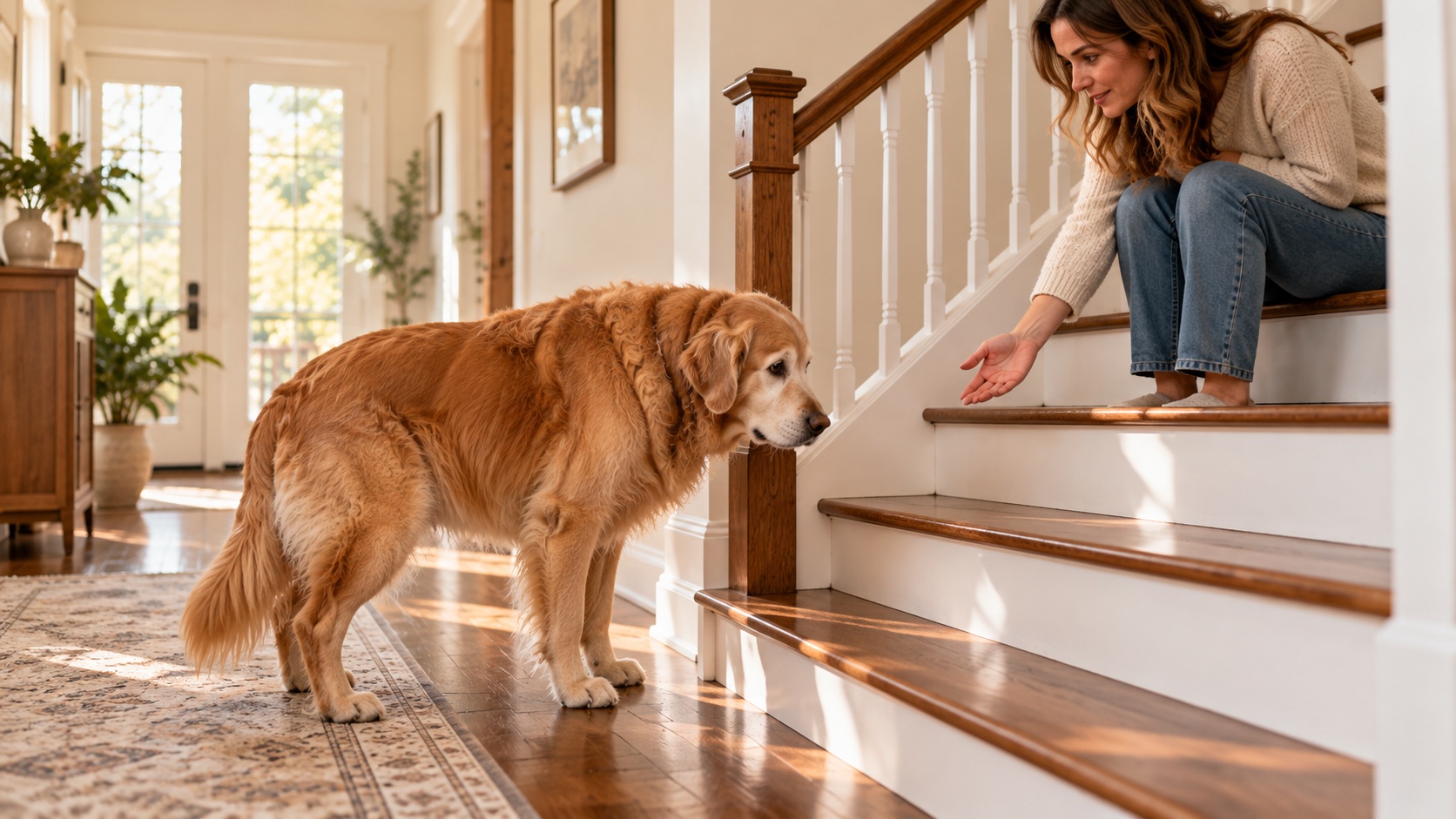
Slowing down on stairs, hesitating before jumping into the car, licking at hips or knees, and reluctance on hard floors are all early signs, well before a dog is unable to walk. Catching it here means a ramp and a better bed; waiting usually means a wheelchair.
The short version
Start with the least invasive fix your dog’s stage actually needs: better flooring and a bed first, ramps next, joint support alongside either, and a wheelchair only once hind-limb strength is genuinely compromised.
Related notes
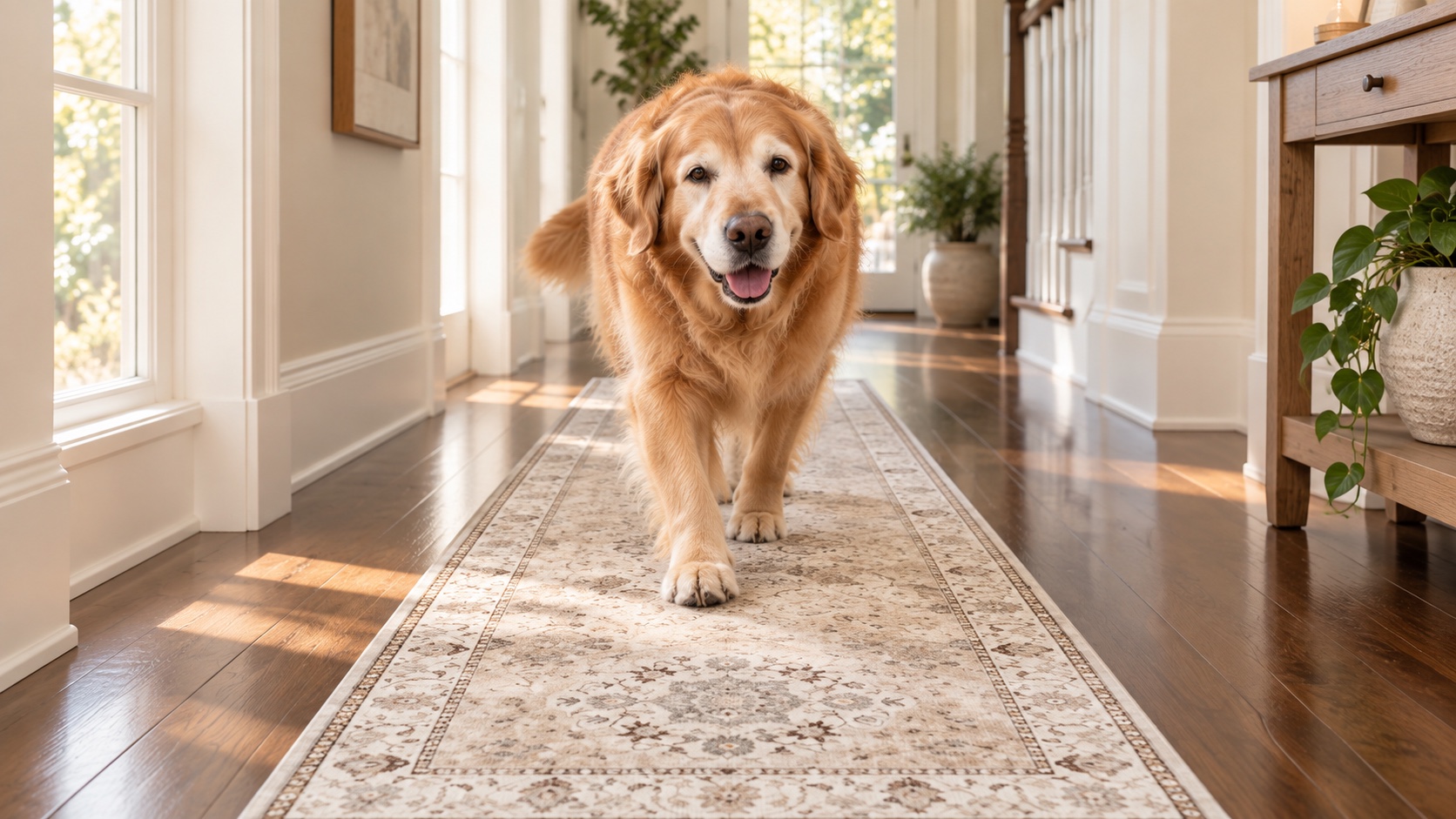
Non-Slip Flooring Solutions for Senior Dogs
Hardwood and tile are often the real reason a stiff dog looks afraid to walk across the room.
Read the note
Orthopedic Dog Beds Actually Worth It for Senior Joints
Real foam thickness, a cover you can wash weekly, and a size chart you can actually trust.
Read the note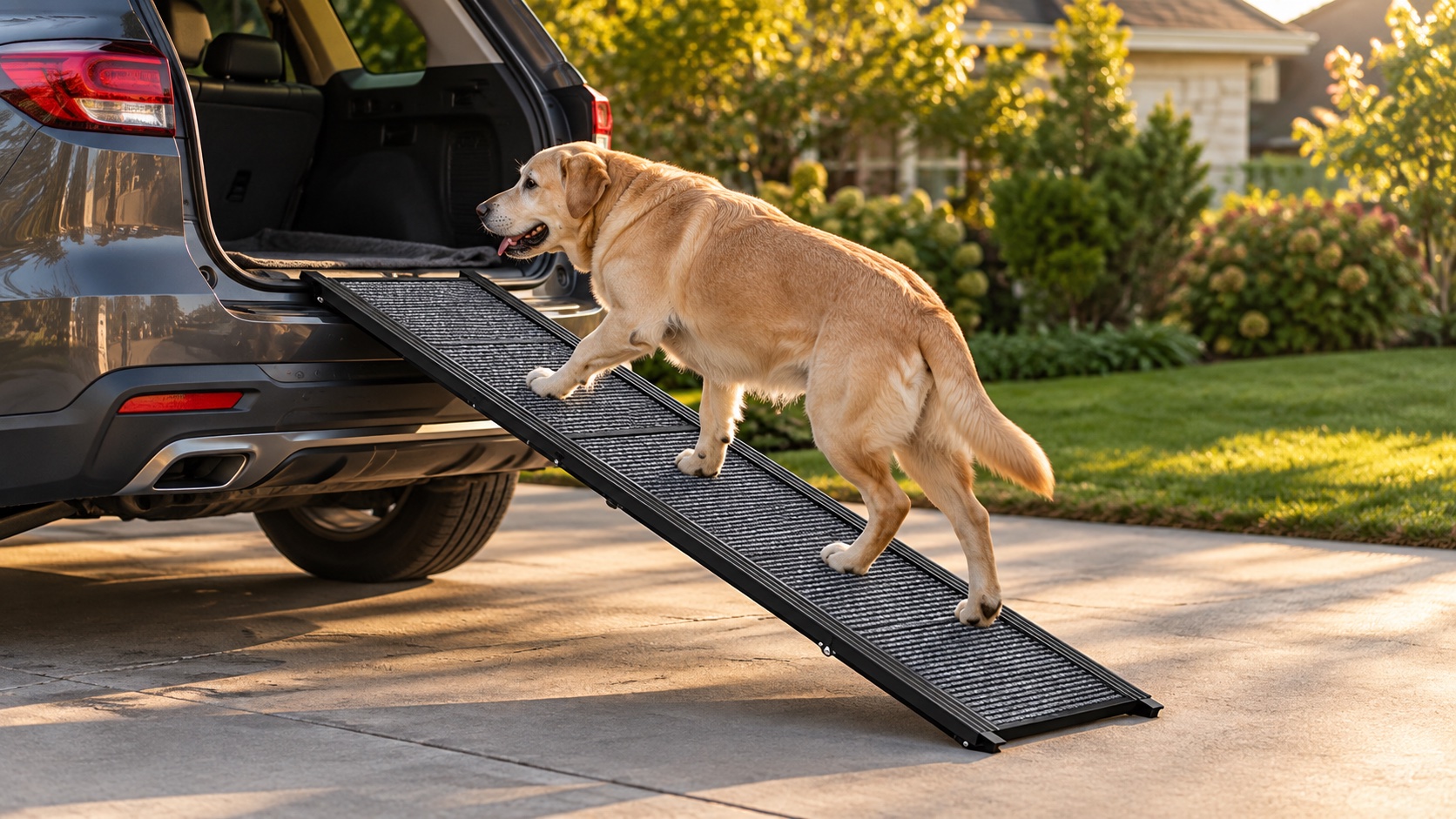
The Best Dog Ramps for Large Dogs: Car and Bed
A ramp only works if the width, incline, and traction match a big dog’s confidence. These do, and one of them is the ramp large-dog owners are actually buying.
Read the note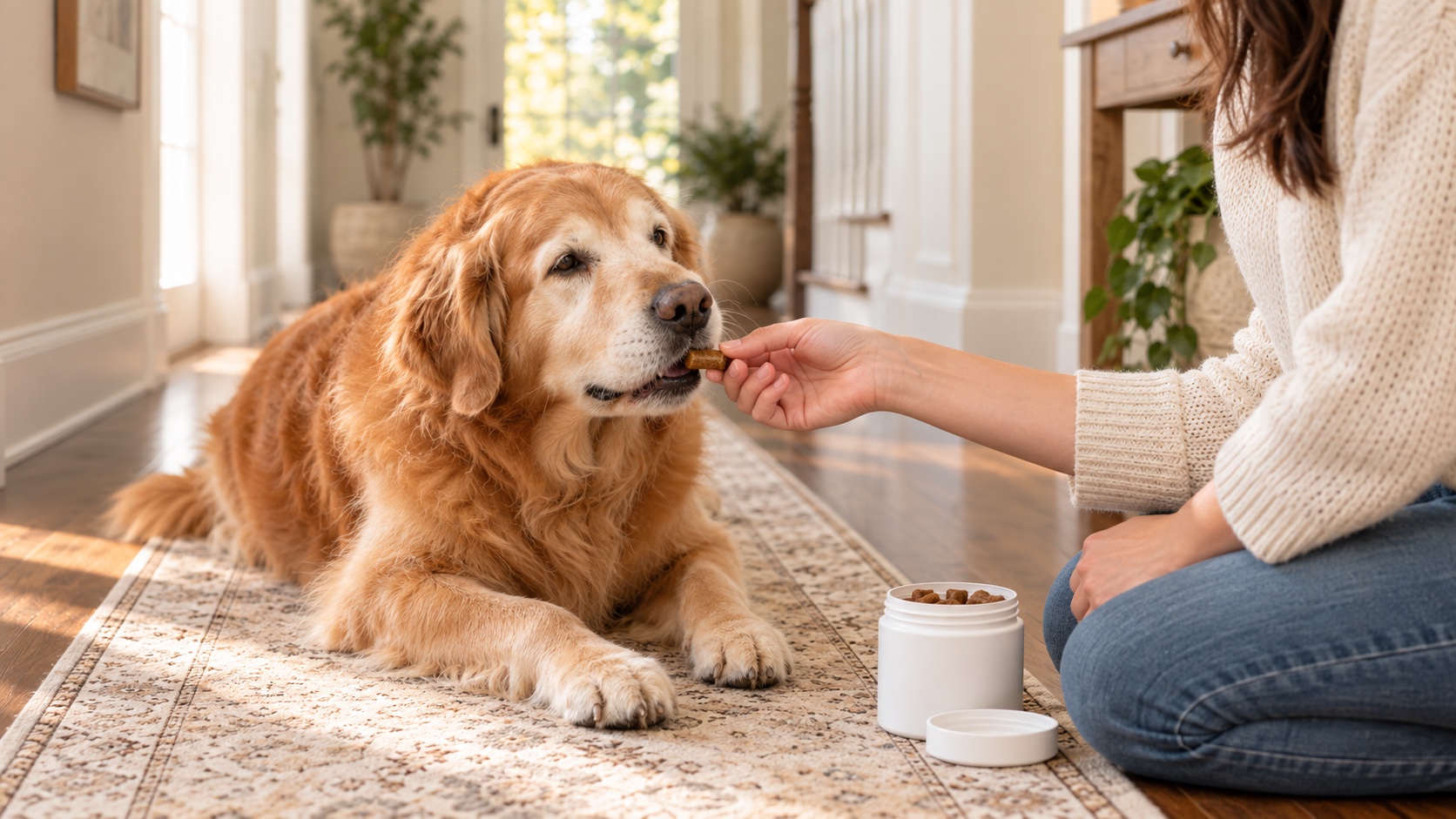
Joint Supplements for Senior Dogs, Sorted by Formula Strength
Glucosamine and chondroitin combinations with dosing that actually matches the dog’s weight, from the brand vets name first to the chew most owners actually buy.
Read the note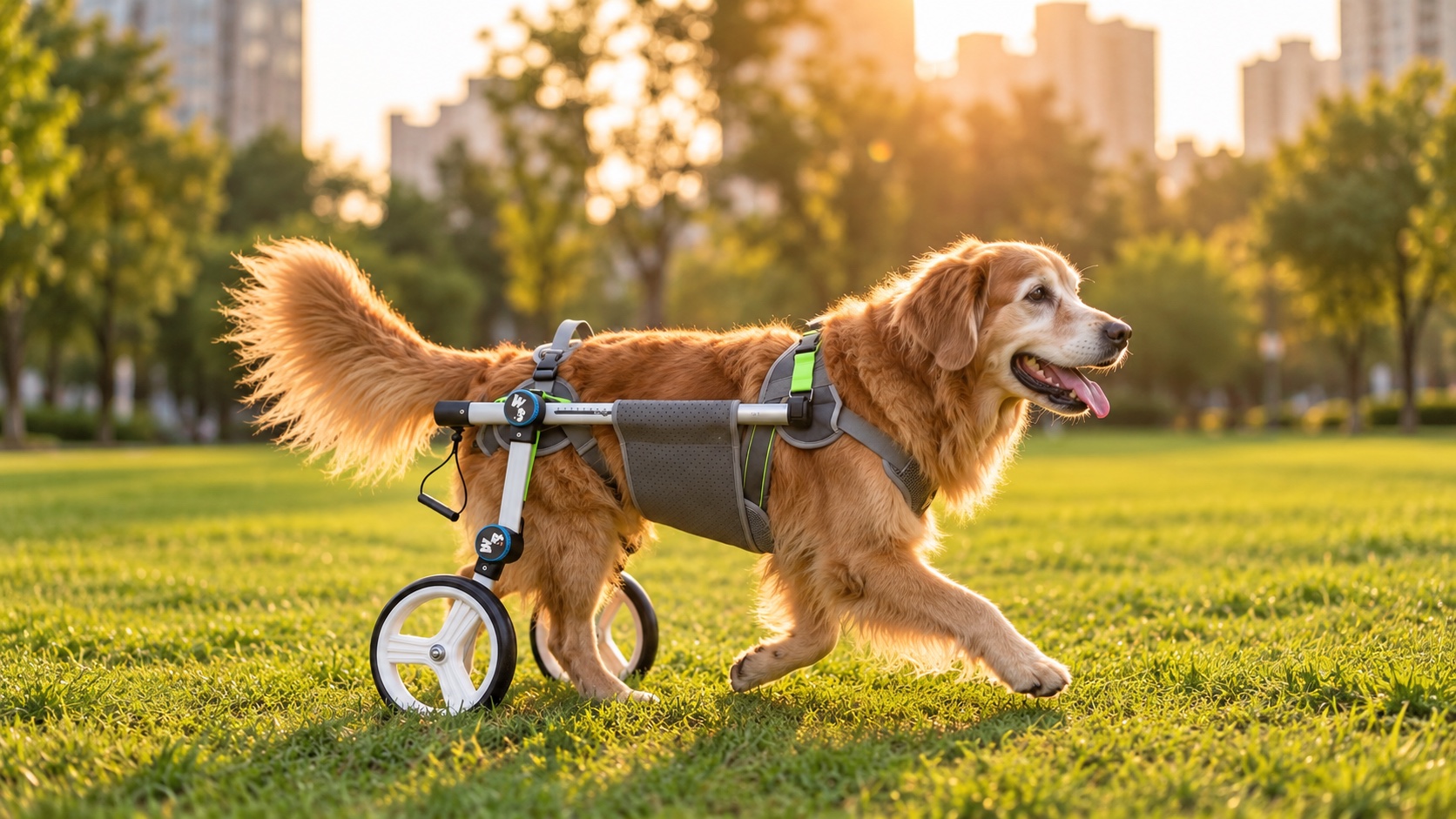
The Dog Wheelchair Worth Buying for Back-Leg Weakness
For dogs with degenerative myelopathy, disc disease, or hind-limb arthritis, the cart with the widest size range and the fit to actually hold up.
Read the note